


Lifelines Design and installation of fall protection systems
The employees of the Bionda Legnami company have gained many years of experience in the sector of production and processing of wooden elements Designed for all types of structures, particularly roofing. The company, founded in 1890 and with over 100 years of experience, has always aimed to combine its experience in roofing construction with the need to put in place safetysuch structures both for the construction phase and for subsequent maintenance interventions.
This is why it has always applied the industry regulations, acquiring great experience in the design and installation phases of lifelines for all types of roofing, both for new and existing structures. Our technicians also take care of the installation of fall arrest systems on roofs, which have now become necessary thanks to recent regional regulations concerning both existing and new buildings.
Bionda Legnami takes care of carrying out the technical survey, of the design and installation of fall arrest systems , of the verification of existing supports and of the drafting of technical documents and calculation reports.
1 - Technical inspection and system design
We begin with a thorough analysis of the roof and building, evaluating the type of roofing, slope, materials, and accessibility. Based on this information, we draft a technical design for the lifeline, compliant with current regulations (e.g., UNI 11560, UNI EN 795), including the selection of safety devices (fixed points, anchors, flexible or rigid lines) and force calculations, taking into account the number of operators who will use the system.
3 - Installation of anchors and lifelines
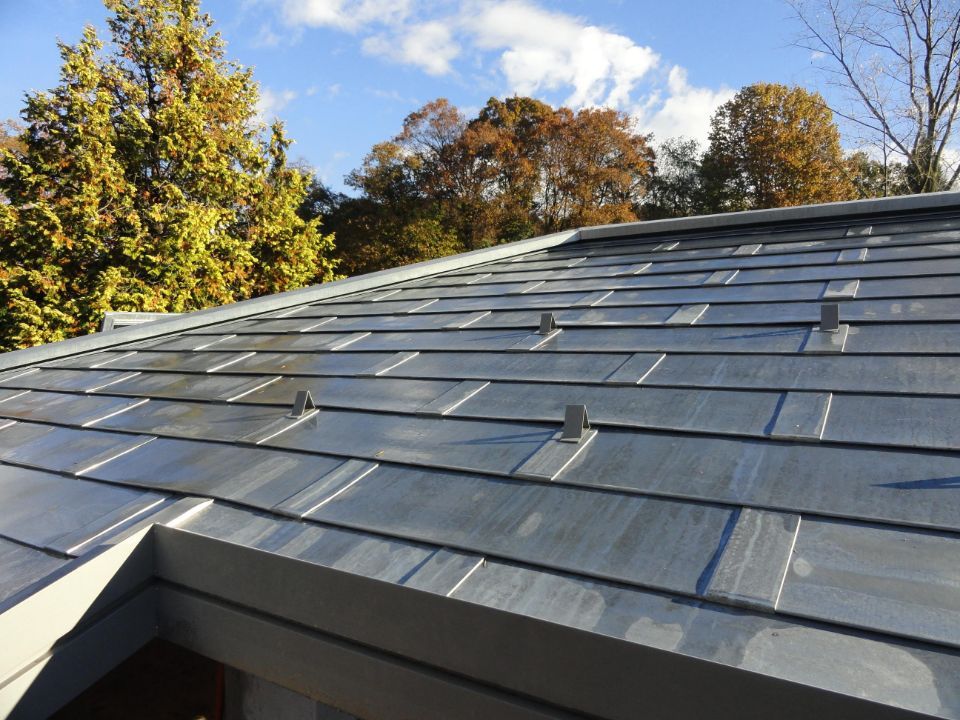
The anchors are secured to the roof's supporting structure (beams or joists) using secure, waterproof systems. The lifeline is then installed: steel cables or rails are tensioned between the anchor points, with energy absorbers and other safety features added.
4 - Testing, certification and maintenance
After installation, a test is performed to verify the system's integrity and the technical documentation and certificate of conformity are prepared. Users (e.g., maintenance technicians, installers) are also trained in the correct use of the lifeline and PPE (Personal Protective Equipment) accessories. Furthermore, it is essential that the system be inspected periodically, at least once a year, by qualified personnel to ensure continued efficiency and safety.
SAFETY AND PROTECTION
AT HIGH ELEVATION
The lifelines on the roofs are devices of safety designed to protect people working at height, such as operators during maintenance or installation work on roofs, facades or other elevated structures.
Their main function is prevent the fall of the operator, offering a safe anchor point to which to connect via a harness and a rope. The lifelines, which can be flexible or rigid, are installed in compliance with safety regulations, and ensure that, in the event of a trip or loss of balance, the operator is held without the risk of falling.
In addition to being essential for protecting the health and safety of workers, lifelines are also fundamental for the sustainability of working at height, making access to roofs possible in a safe and controlled manner.
Request a quote from Bionda Legnami
Request a quote from Bionda Legnami
GIVE SHAPE TO YOUR DREAM
Contact us for a consultation or a personalized quote: The first step towards the home you've always wanted starts here.



